Curb Inlet Filters
Stormwater Curb Inlet Filters
Our patented Curb Inlet Filters are a stormwater Best Management Practice (BMP) to block debris like leaves, litter, plastic bottles and cigarettes from entering the stormwater system. By allowing water to flow while capturing pollutants, they help reduce flooding, cut maintenance costs, and protect local waterways.
Tailored to fit a wide variety of curb openings for a seamless install and reliable performance.
Proven Performance
Over 10 years of reliable field operation and results.
Patented Technology
Backed by patents and sole-source contracts.
Custom-Fit Manufacturing
Each filter is built to match your specific curb opening for a seamless fit and optimal performance.
End-to-End Service
We support you from initial design through to final installation.
O&M Software Included FOr Free
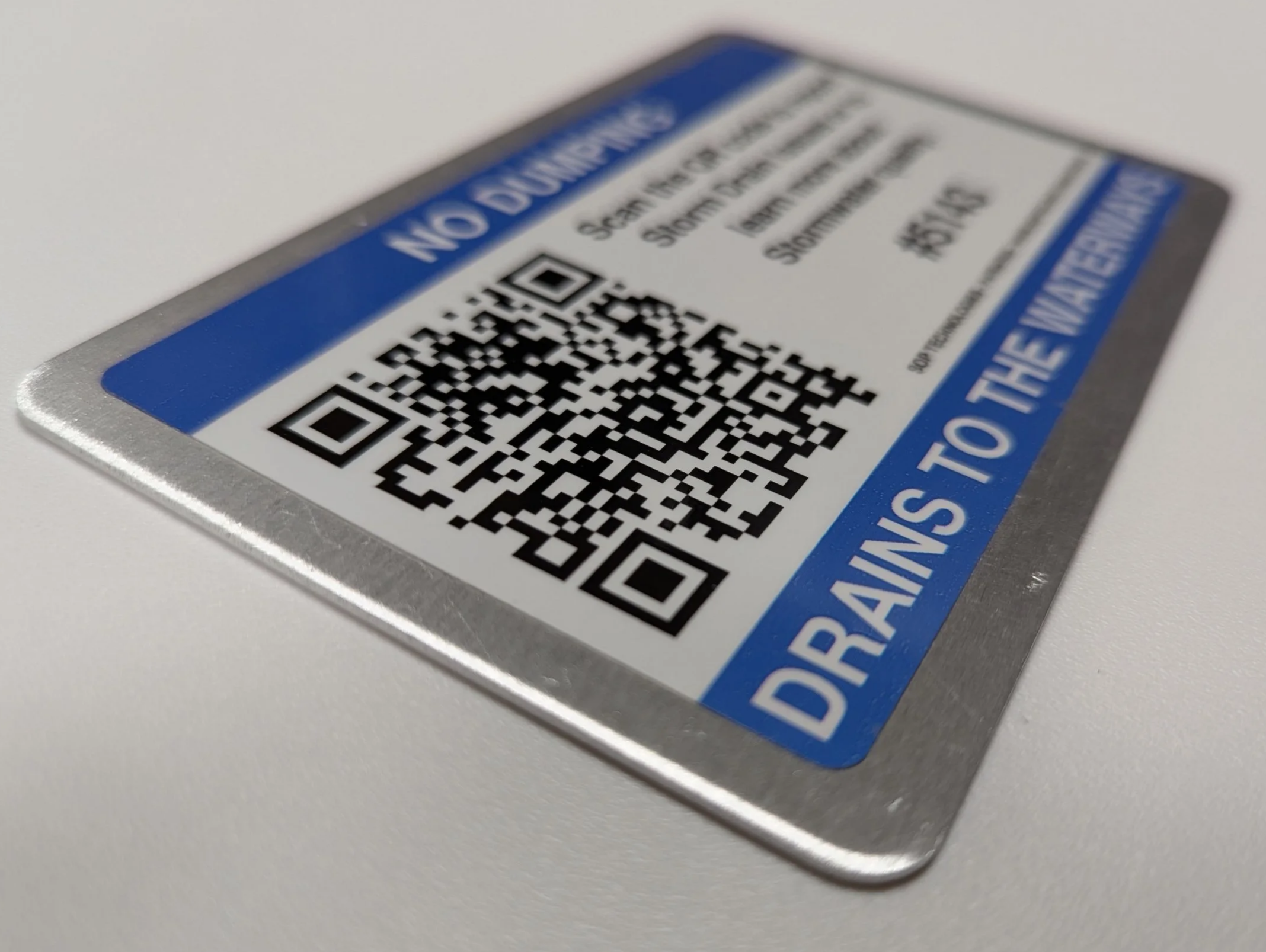
Included with our stormwater system are our patented QR Code Storm Drain Markers and software for Operations and Maintenance (O&M) teams and Community Engagement. Use the QR Code Markers and software for Asset Management, engaging your community to share what they see, and to log activities for MS4 and NPDES reporting.


Trusted by Municipalities and Environmental Agencies Nationwide




The patented Curb Inlet Filter is in place! Our custom-fit design seamlessly protects waterways and infrastructure.
3D Viewer - Zoom in and rotate using your mouse
A detailed 3D render showcasing the SOP Technologies patented stormwater filter. Its innovative upward-flow, louvered design effectively captures debris while maximizing water flow and preventing clogging.


Shown here is our patented curb inlet filter fitted into a standard curb opening. Each unit is custom-designed for durability, optimal flow performance, and precise integration with site-specific stormwater infrastructure.
-
Blocks stormwater pollution at the source. Each filter can prevent hundreds of pounds of leaves, street litter, and debris, including phosphorus and nitrogen, from entering waterways every year.
Reduces contaminants like cigarette butts, plastic bottles, and other street litter from flowing into rivers, lakes, and oceans.
Supports healthier ecosystems and compliance with environmental standards by achieving TMDL reductions for NPDES / MS4 permits. Proven to reduce Total Phosphorus (TP) and Total Nitrogen (TN) loads.
-
Prevents clogged pipes and storm drain backups by keeping leaves and litter out of stormwater catch basins.
Reduces the frequency and cost of stormwater system maintenance, saving cities like Aventura up to $97,000 within 10 years by making street sweeping more effective than costly vacuum cleanings.
Designed to retrofit easily into existing or new infrastructure, with filters customizable to any size inlets and allowing for high water flow with an upward-flow, louvered design.
-
Minimizes flooding on streets and around properties by preventing leaves and street litter from clogging stormwater inlets, pipes, and drains, while allowing free flow of stormwater.
Helps cities save money by reducing the need for expensive catch basin cleaning compared to street sweeping.
Contributes to safer, cleaner, and more livable neighborhoods through public education and communication with the included QR Code Storm Drain Markers, enabling community members to report issues and learn about local pollution prevention efforts.
-
INSPECTION FREQUENCY & MAINTENANCE TRIGGERS
Routine street sweeping is usually sufficient to collect debris in front of curb inlet filters. Ensure that street sweeping personnel and landscaping crews are aware of the use of stormwater filters and installed locations. Pressure washing can be performed if needed from time to time (e.g. if nearby soil erosion is creating excess debris).
Routine (Scheduled) Inspection: Especially during the first year of use, inspect each stormwater filter at least four times (quarterly). This helps establish a baseline understanding of debris loads for future maintenance needs (e.g. sweeping frequency). Note that debris types and volumes are influenced by site conditions (e.g. tree canopy, soil erosion, construction activities, convenience stores, fast food restaurants, foot traffic, large events, etc.)
Supplemental (Post-Storm) Inspection: After every major storm event (e.g. 1 inch of rainfall or more), briefly check for debris in front of filters. Rain directs debris towards filters for easy collection/removal after rain events.
Seasonal: Clean prior to and immediately following the heavy rainy season and/or snow melt season.
Clogging/Bypass: Clean if water is pooling in front of the device or bypassing above the filter.
DOCUMENTATION
Use the SOP Technologies patented, geo-tagged QR Code Storm Drain Markers (installed with every stormwater filter) to log maintenance activities, and the SOP Technologies online admin panel for data analysis and downloading. This data informs future maintenance needs and is vital for NPDES reporting of Total Phosphorus (TP), Total Nitrogen (TN) and trash captured by the filters.
Items/data to document (most items are automatically logged when using the SOP Technologies software):
Photos before and after maintenance
Date and Time of Service
Inspector/Contractor Name
Location ID/Address
Estimated Volume and types of Materials Removed (capture details if needed for analysis purposes)
Removing filters: Access behind filters (or underneath when needed) is achieved by using the provided security screws to remove/reinstall filters, or by lifting up filters that include a hinged mechanism.
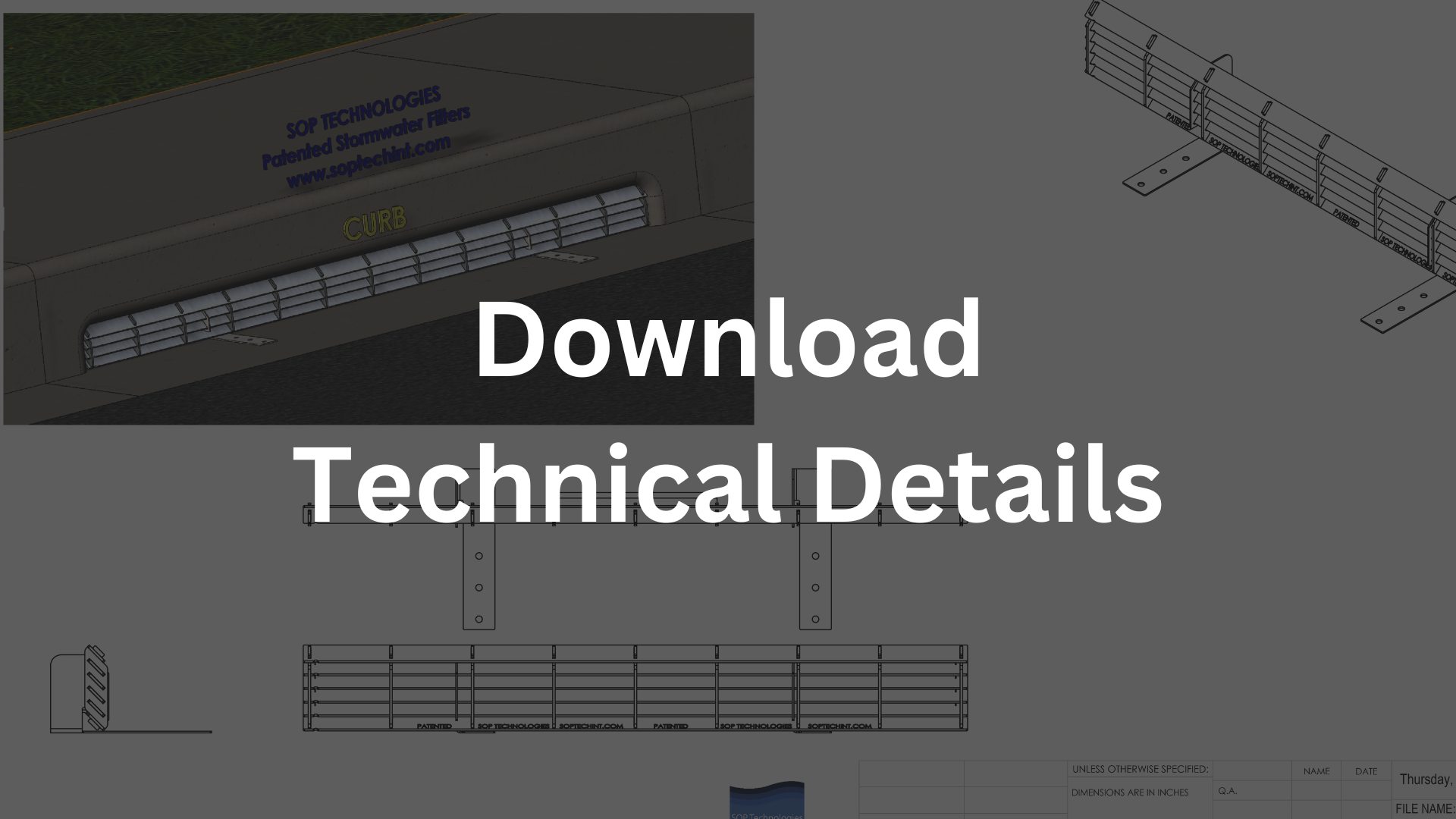
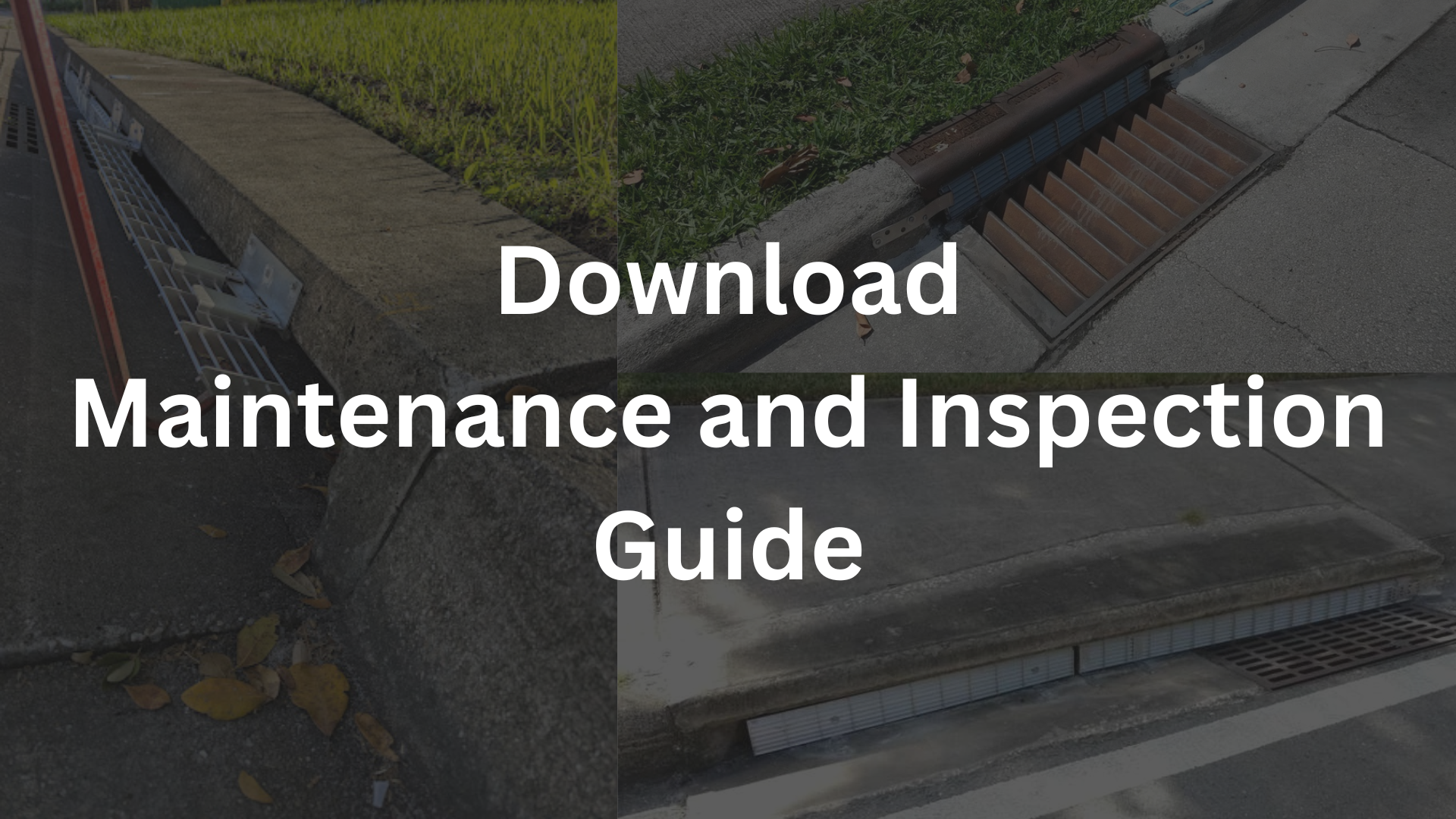
Download the PDF for detailed specifications and product information.